

























Employee Engagement , Employee Recognition, Employee Experience, Retention Strategy
Key Takeaways:
- Employee recognition: Specific and timely appreciation reinforces helpful behaviours and makes recognition more meaningful than generic praise.
- Challenging assignments: Meaningful stretch work shows trust, builds engagement, and helps people see how their contributions connect to the bigger picture.
- Growth opportunities: Career development, lateral moves, and regular conversations about goals show people they matter and have a future in the organization.
- Autonomy at work: Giving employees ownership of ideas and decisions builds confidence, supports innovation, and strengthens trust across the workplace.
- Transparent communication: Honest updates, open feedback, and empathy in difficult conversations help people feel trusted, included, and committed.
- Employee voice: Regular check-ins and genuine listening help employees feel heard while giving leaders better insight into stress, ideas, and needed improvements.
The need to feel important – respected, valued and appreciated – is universally human. We all want to know that what we do makes a difference and that other’s recognize it. At work, feeling important is key to job satisfaction and motivation – employees who feel important tend to work harder and stay with an organization longer. In general they are happier and more likely to go above and beyond.
For organizations then, building a culture that emphasizes the importance of people has a great number of benefits. And luckily, because it’s rooted in the basics of valuing people it is quite straightforward to achieve. Let’s take a look at some of the keys ways you can show employees they are important:
Thank Them for Their Specific Contributions
Saying ‘thank you’ is as simple as it is powerful yet it is often overlooked. When someone does something that is helpful say ‘thank you’ in the moment. And thank the person for what exactly you appreciated. When appreciation is timely and specific it has the most impact. Consider the following:
“Good job!” This message creates a short-lasting, feel-good moment but has little impact on future work.
“Thanks for going over that report in such detail. You caught some important points that needed to be clarified.” Here, the message connects what the employee did to what you found most helpful and increases the likelihood similar behaviour will be repeated.
Also consider the timing of your appreciation, particularly when it comes to longer-term organizational goals. Show appreciation regularly and applaud employee efforts, big and small, as the goal progresses. When you recognize efforts before the end goal is achieved it serves to motivate and engage.
Think too about the balance between team and individual appreciation. Too many team lunches and free swag for the entire company can eclipse individual achievement. Likewise, if you focus too much on individual effort the culture can feel elitist and ripe with favoritism. One easy way to ensure individuals are recognized is to implement service rewards. Work anniversaries provide an excellent opportunity to acknowledge the importance of an individual’s time and devotion to the organization.
Provide Challenging Assignments
Another way to show employees they are important is to provide work that is challenging. By assigning tasks that are meaningful and outside the regular routine, you signal to employees that you trust them and have faith in their skills and abilities to contribute in a variety of ways.
Exposure to tasks outside of typical assignments also helps employees see the bigger picture and improves their engagement. It sends a clear message to all employees that individual effort is encouraged and appreciated. Here are some ideas for meaningful assignments:
• Increase responsibility on a project
• Provide assignments to highly visible projects
• Appoint employees to intradepartmental committees
• Assign people to leadership roles within a project team
• Have employees represent the organization at a conference or tradeshow
Provide Growth Opportunities
Closely related to providing meaningful work is to provide career development and growth opportunities within the organization. By investing in your people, you not only indicate they are important to the organization, but you reap the benefits of deeper organizational knowledge and cultural roots. When employees know that you are invested in them and their future, they will work harder to achieve their personal goals within the context of the organization’s goals.
Your career management system is the best way to provide this context. Establish a system that collects career goals and that marks out various career paths within your organization. Not all career paths move upward. Some people prefer lateral shifts in their career and find that gaining knowledge across the organization is just as motivating as increased people management. Talk to employees regularly to figure out where they want to head and make investments as needed to help them progress in the direction they choose.
Encourage Autonomy
Autonomy is another way to encourage growth within the organization and signal the importance of your people. Autonomous decision making is based on trust and respect – two pillars of helping employees feel important. When employees feel trusted, they are free to do their best work and they gain confidence in their abilities. Encourage ownership of ideas and develop systems that help employees bring their ideas forward.
Help them to understand that their ideas are important and that you are willing to put them in charge of pet projects, task forces, special committees, etc. When employees know their ideas are appreciated and their decisions are supported, they work hard to come up with new and better ideas more consistently. Their peers see that creativity is rewarded and recognized and this helps to underpin a culture that values innovation. Employees who feel valued and important are highly motivated to perform their best and to transform their work environment into the best it can be.
Be Transparent and Honest
To feel important is to know that you can be trusted with information, and this requires open and honest communication. In transparent workplaces employees understand they are trusted and valued, and they respond with loyalty and increased levels of engagement. Within transparent workplaces employees feel connected to the organization’s mission, they are more invested in its goals and ideas, and this inspires them to work toward the organization’s goals. Some things to keep in mind to build honesty include:
• Keep employees in the loop
• Be upfront with uncertainty
• Share bad news as quickly and openly as good news
• Provide honest feedback
• Engage in difficult conversations with empathy
Make Employees Feel Heard
Connecting with employees on a personal level can go a long way to making them feel important and valued. In fact, without personal connections it’s difficult to execute the other ideas presented above. If you allow yourself to get caught up in your daily work you can’t be attentive to your people, you won’t think to thank them, you won’t know if their work is challenging, and you may hesitate discussing challenges you see in the future.
Make interacting with employees an important part of your day-to-day work. Ask employees how they are doing. Discuss stresses they are experiencing. Get input on new directions. Ask them what they appreciate most about their work environment and what improvements they would like to see.
These conversations not only yield great ideas, they also convey that you value your people and that they are indeed important to you, to the team, and to the organization as a whole. And that is a powerful message. One that will see your people more likely to go above and beyond, more likely to be happy and satisfied with their career and less likely to leave.
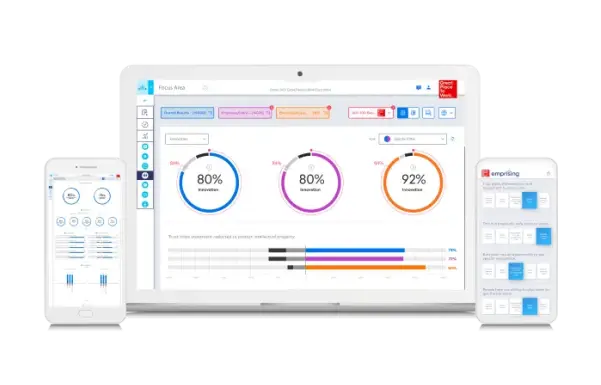
Do your employees feel important and valued by you? We designed an employee survey – based on 30+ years of studying employee experience – to measure and track levels of employee recognition, trust, innovation, and more. Contact us today about it.
About Great Place to Work®
Great Place to Work® is the Global Authority on Workplace Culture. We make it easy to survey your employees, uncover actionable insights and get recognized for your great company culture. Learn more about Great Place to Work Certification.
Frequently Asked Questions:
How can leaders make employees feel more important every day?
Start with timely, specific appreciation, stay connected through regular conversations, and show genuine interest in each person’s work, ideas, and progress.
Why is specific recognition more effective than a general thank you?
Specific recognition shows exactly what was valuable, helps employees understand their impact, and increases the likelihood that strong behaviours will be repeated.
What kind of work helps employees feel trusted and valued?
Challenging assignments, visible projects, leadership roles, and opportunities to represent the organization all signal trust in a person’s skills and potential.
How do growth opportunities help employees feel important?
When organizations invest in career development, clarify possible paths, and support personal goals, employees feel valued and more motivated to contribute.
What role does autonomy play in employee motivation?
Autonomy gives people ownership over decisions and ideas, which builds confidence, strengthens trust, and encourages more consistent creativity and initiative.
How does honest communication affect employee engagement?
Open communication helps people feel trusted with important information, stay connected to organizational goals, and respond with stronger loyalty and engagement.